


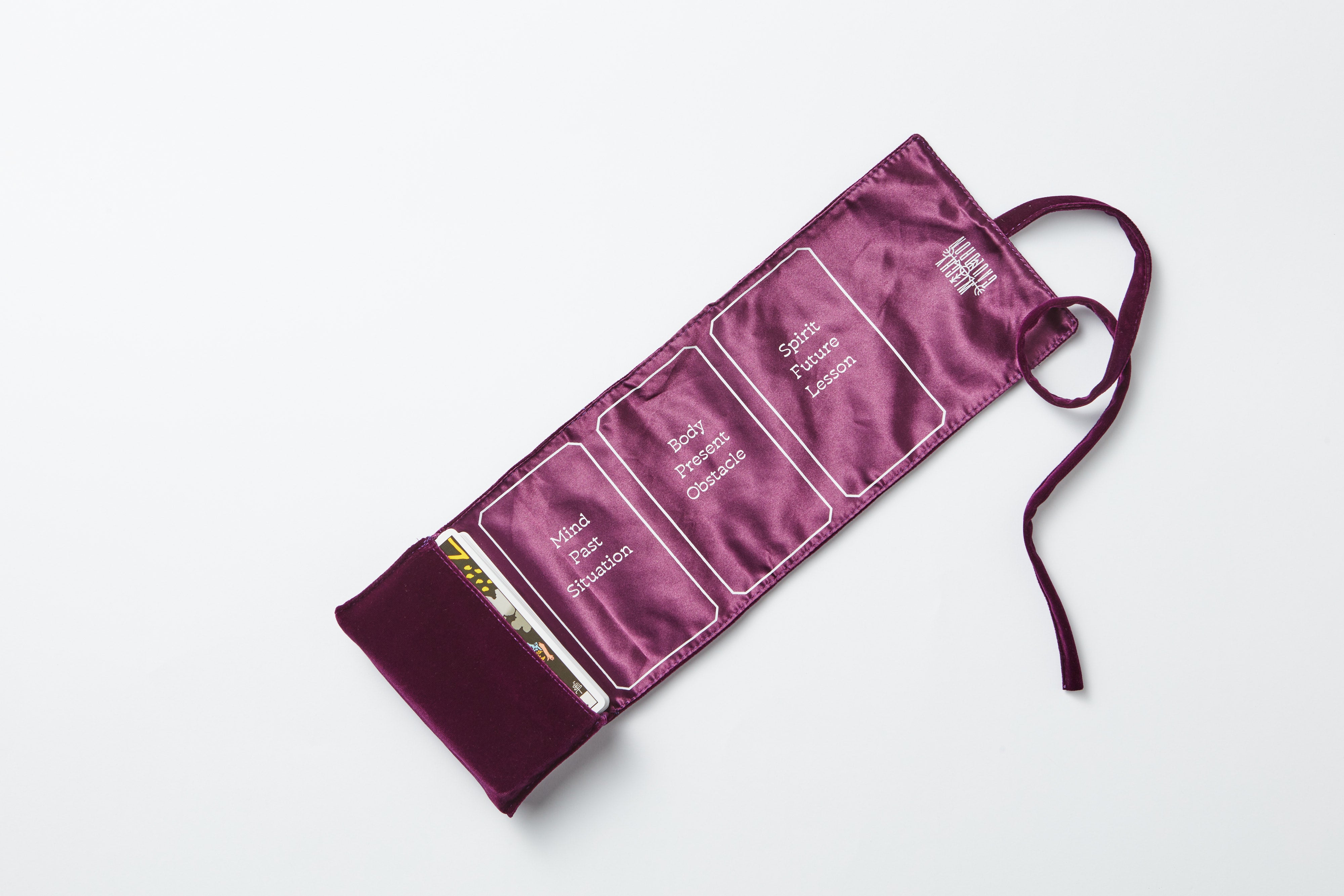
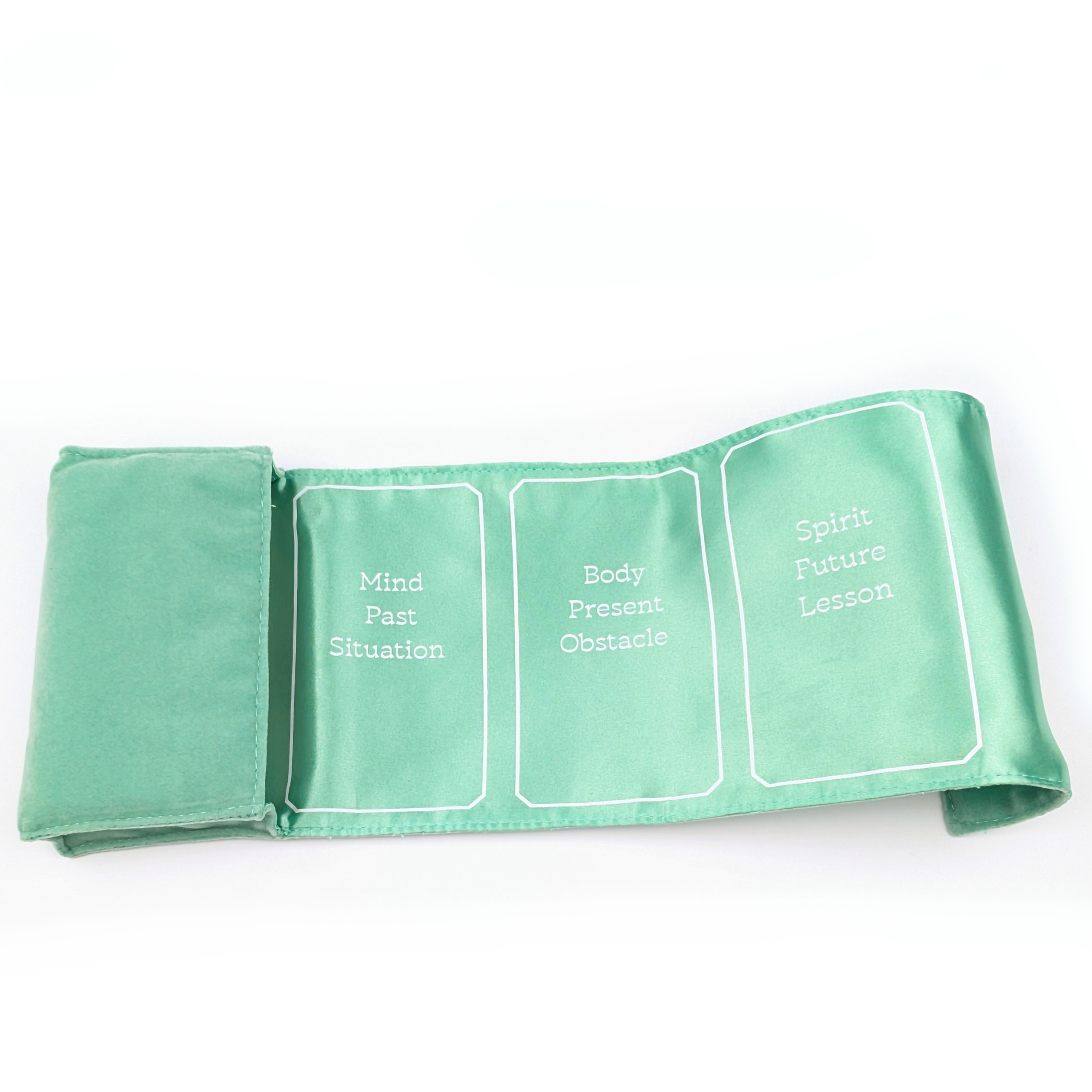
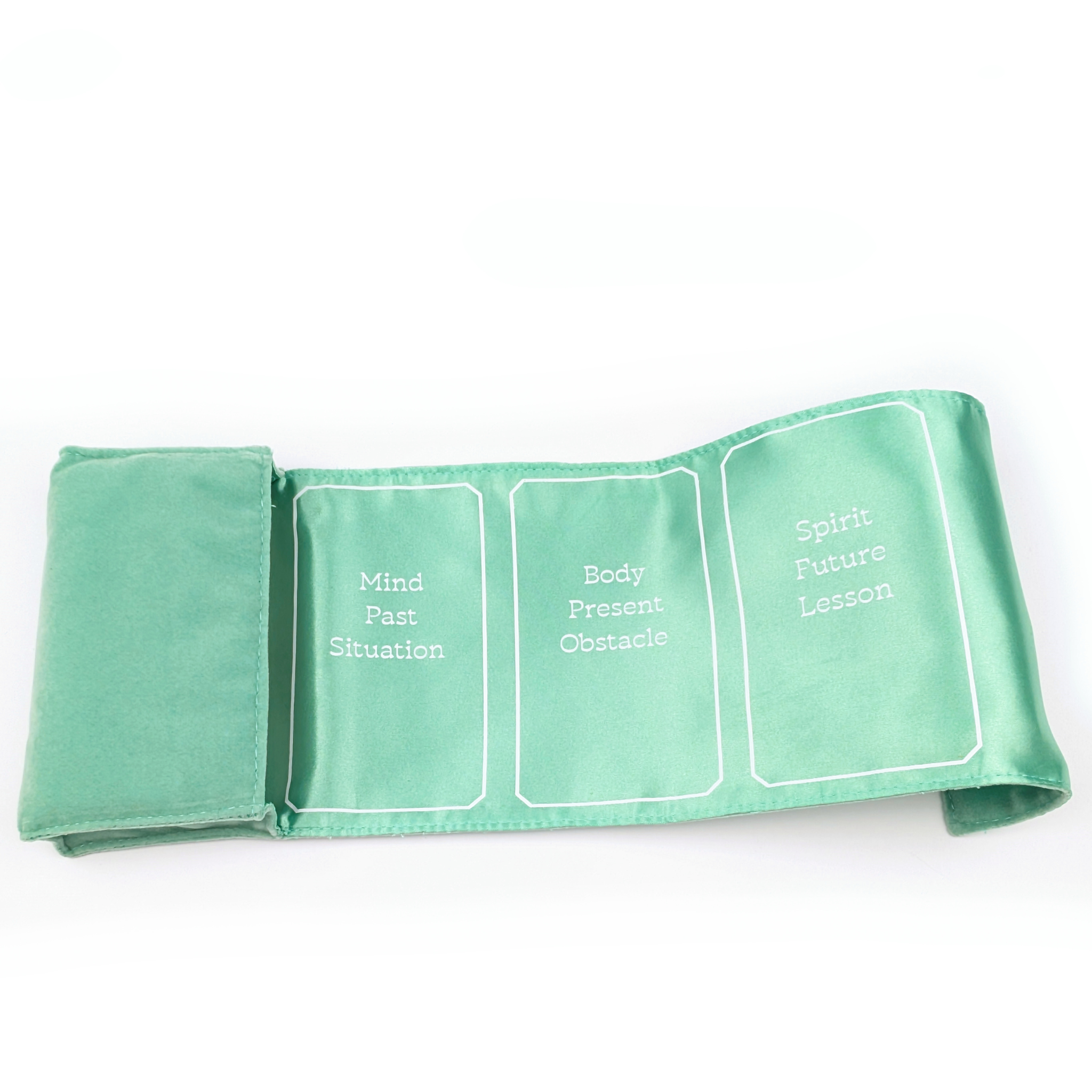
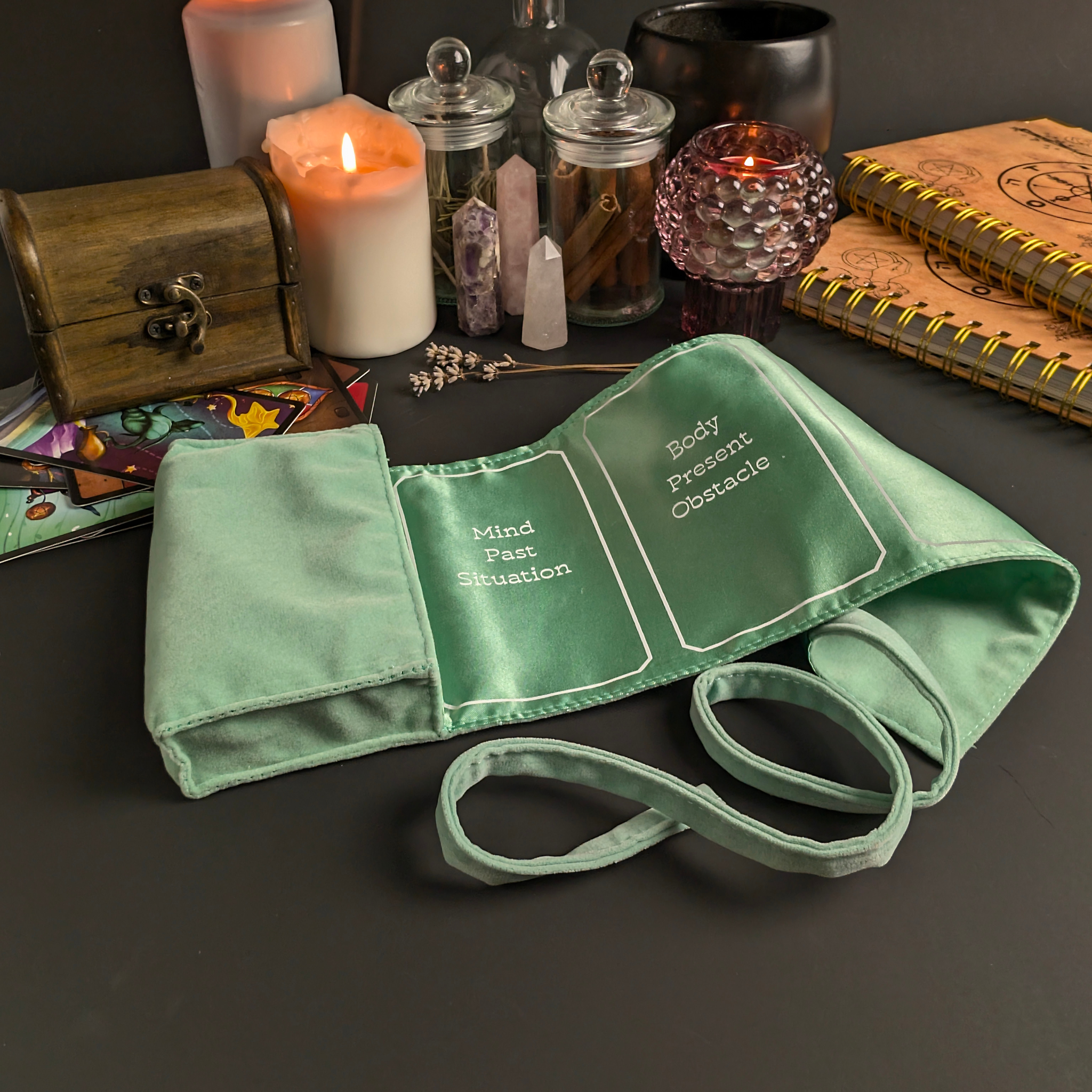


A tarot spread is a specific arrangement of cards where each position carries a particular meaning, turning a random draw into a structured reading. For daily practice, simple spreads with one to three cards are ideal — they take only a few minutes, build your interpretive skills steadily, and can become a grounding morning or evening ritual.
1. The Single Card Daily Pull
The simplest and most powerful daily practice is drawing one card each morning. Shuffle your deck while focusing on the question "What do I need to know today?" or "What energy surrounds me today?" Draw one card and spend a moment with the image before checking any guidebook. Write your first impression in your tarot journal, then read the card's traditional meaning and note how it might apply to your day ahead. This practice builds card recognition naturally — within 78 days, you will have encountered every card at least once in a personal context.
2. The Three-Card Past, Present, Future Spread
When you want more depth than a single card but do not have time for a complex spread, the three-card layout is the next step. Lay three cards in a horizontal line from left to right. The left card represents past influences affecting your situation, the center card shows where you are right now, and the right card points toward the likely direction things are heading. This spread works well for weekly check-ins or when you need perspective on a specific situation. The key to reading it well is looking for the narrative thread connecting all three cards rather than interpreting each in isolation.
3. The Mind, Body, Spirit Check-In
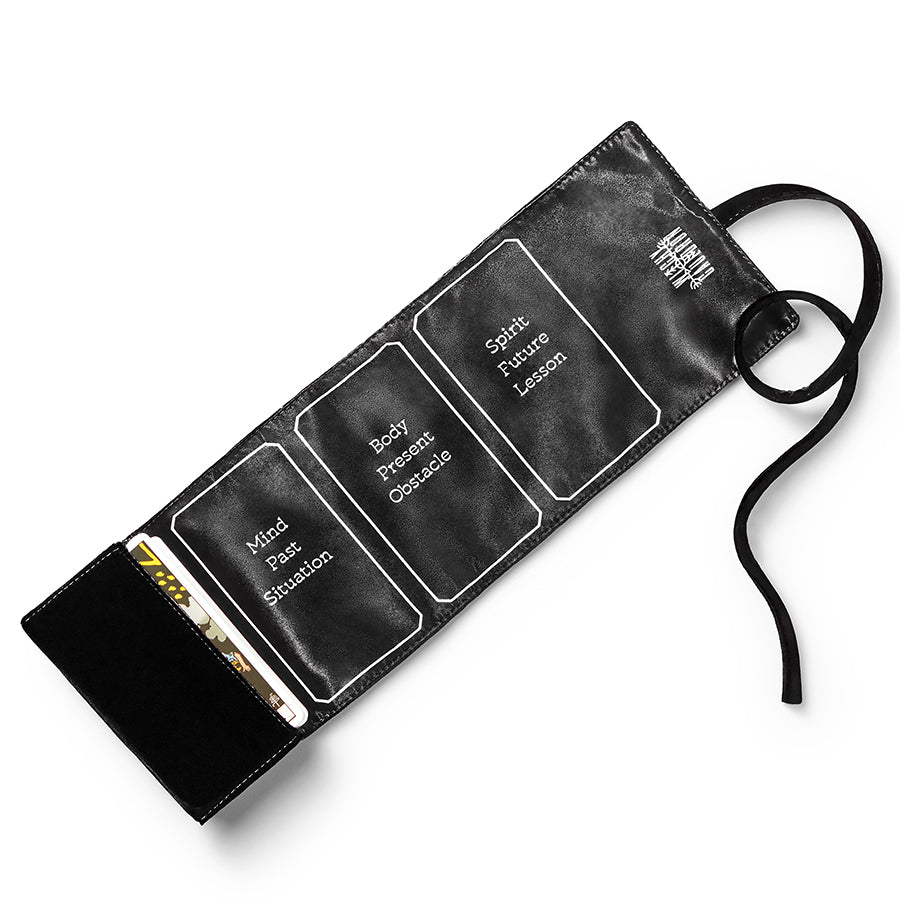
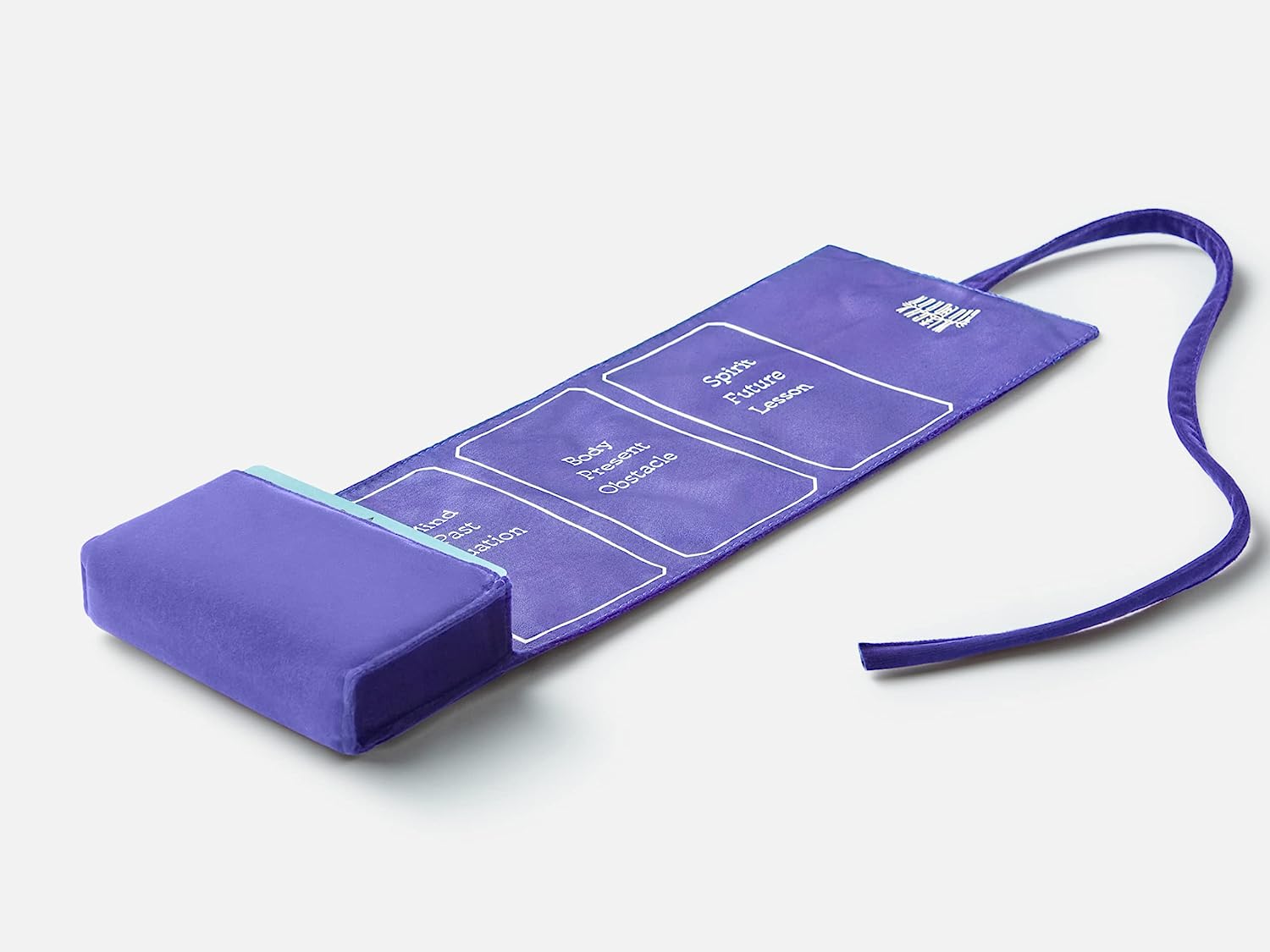
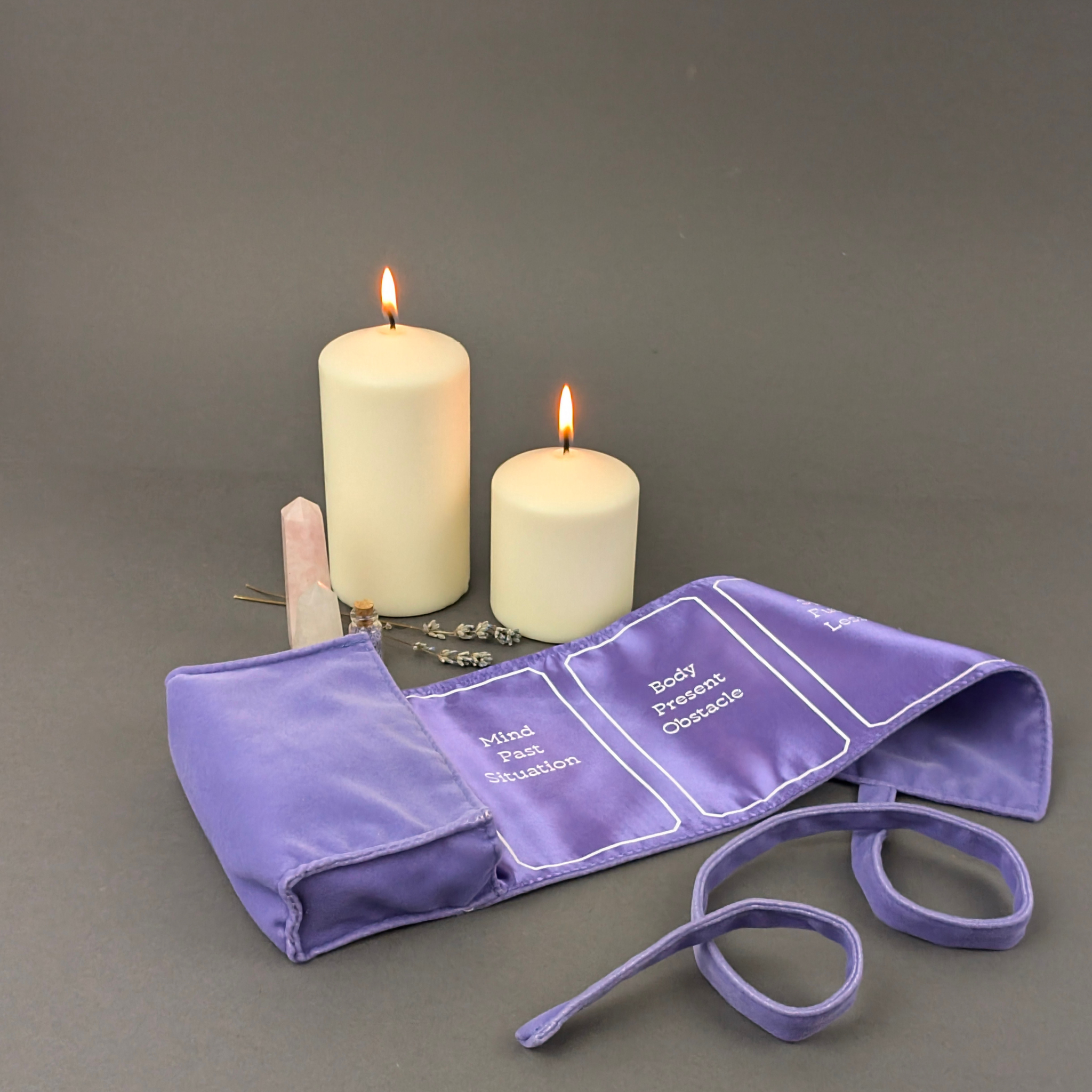
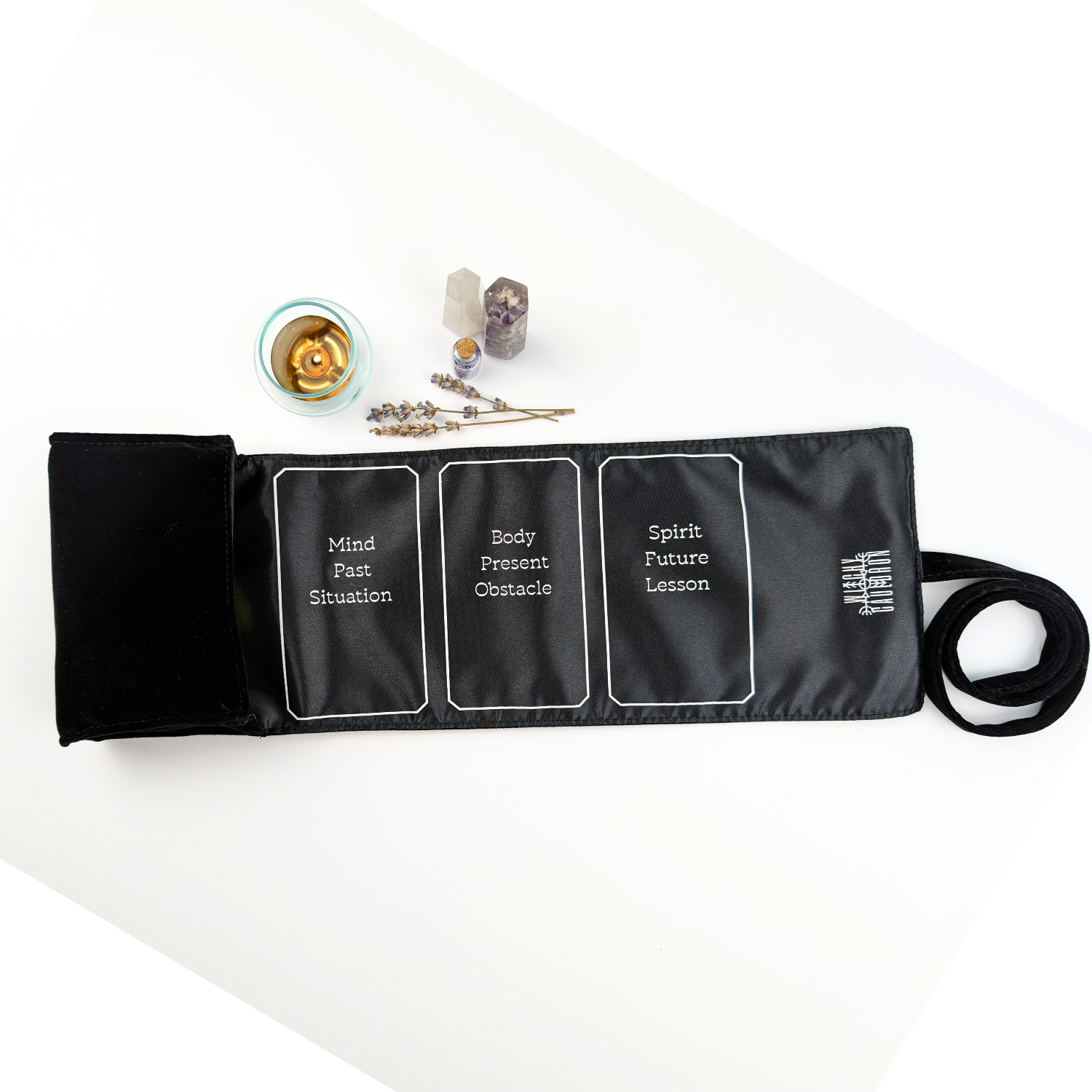
This three-card variation uses positions for Mind (what you are thinking about), Body (what your physical world needs), and Spirit (what your deeper self is telling you). It works especially well as an evening practice to process your day. Lay three cards in a vertical column. The top card reflects your mental state, the middle card addresses practical or physical matters, and the bottom card speaks to your emotional or spiritual needs. Many readers find this spread reveals patterns they were not consciously aware of, making it a powerful self-reflection tool.
Tips for Better Spread Readings
Always set an intention or question before shuffling — unfocused readings tend to produce confusing results. Shuffle until it feels right rather than counting a specific number of times. When cards appear reversed (upside down), beginners can choose to read all cards upright while learning and add reversed meanings later as confidence grows. Most importantly, trust your first reaction to the imagery before consulting any reference. Your intuitive response often captures the card's message more accurately than textbook definitions.
Building a Consistent Practice
The biggest factor in learning tarot is consistency, not complexity. A daily one-card pull practiced for three months will teach you more than occasional elaborate spreads. Keep your deck and tarot journal in the same spot — next to your bed, on your desk, or wherever you start your day. Pair your pull with an existing habit like morning tea or an evening wind-down. The ritual aspect is part of what makes tarot meaningful, and routine makes it sustainable.
Starting your daily practice? Our beginner tarot learning sets include a Rider-Waite deck, guidebook with spread instructions, protective wrap, and journal — everything you need for consistent daily readings.