





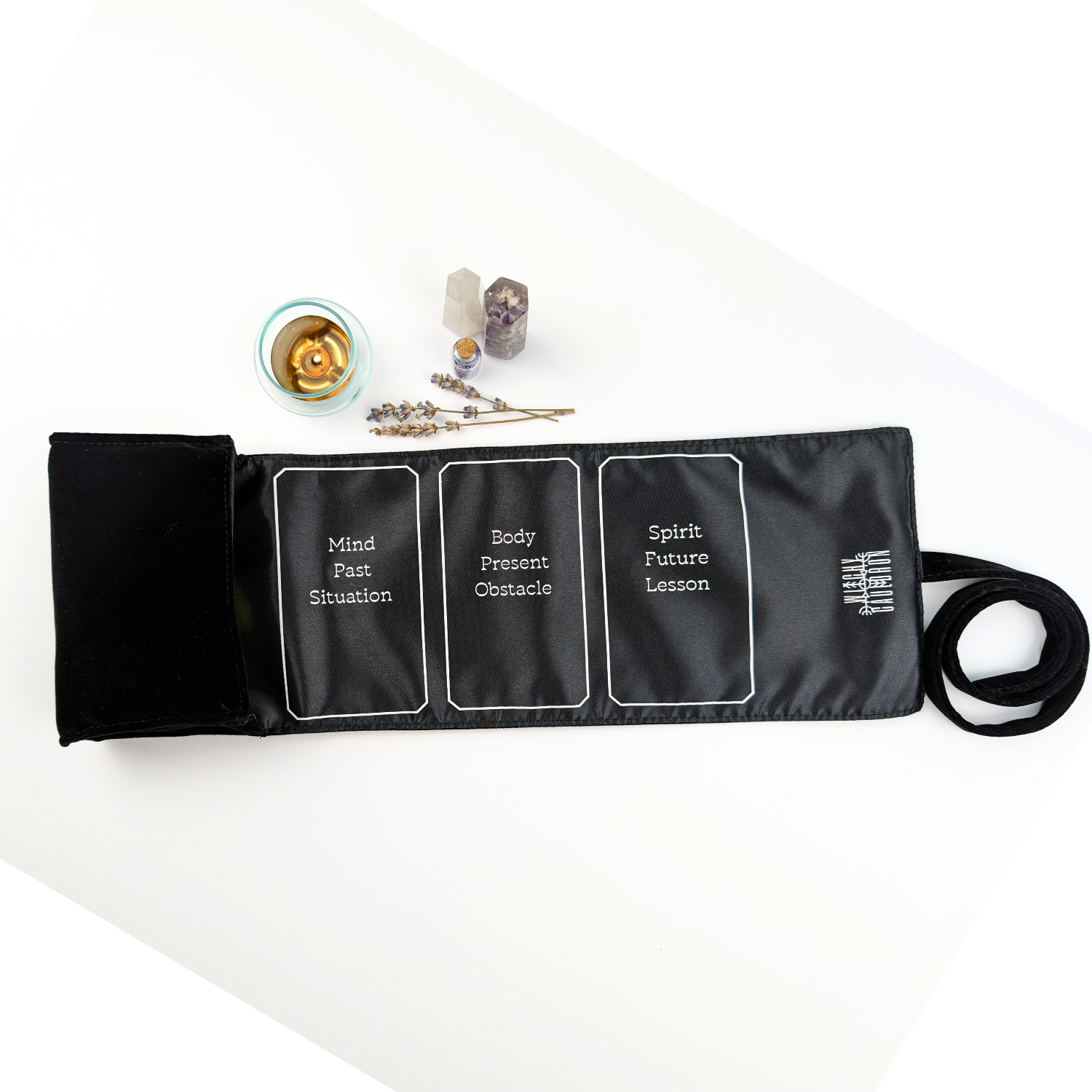

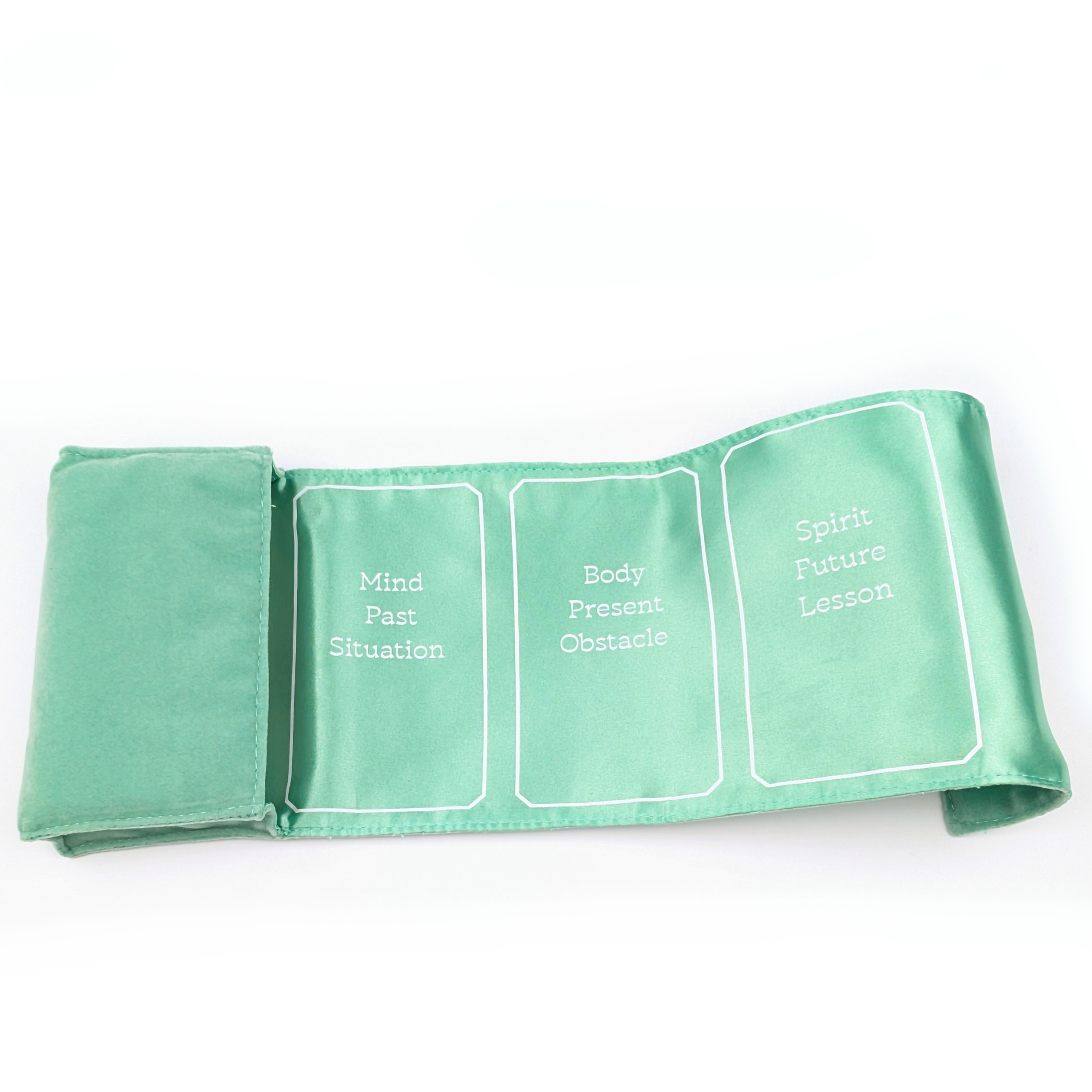



A tarot journal is a dedicated notebook where you record your tarot readings, card interpretations, and personal reflections. Whether you pull one card daily or do full spreads, journaling transforms casual card-pulling into a genuine learning practice that deepens your intuitive connection over time.
Why Keep a Tarot Journal?
Most tarot beginners focus on memorizing card meanings, but the real growth happens when you track patterns across readings. A tarot journal helps you notice recurring cards, document how predictions unfold, and develop your own relationship with each card beyond textbook definitions. Over weeks and months, your journal becomes a personalized tarot reference that no guidebook can replicate.
What to Write in Your Tarot Journal
Every journal entry should include the date, your question or intention, the spread you used, and which cards appeared in each position. Beyond the basics, write down your immediate gut reaction before looking up any meanings. Note the colors, symbols, or figures that caught your eye first. After consulting your guidebook, record how the traditional meaning connects to your situation. Leave space to revisit entries later and note whether the reading's message proved accurate.
Daily One-Card Pull: The Best Starting Practice
If you are new to tarot journaling, start with a single daily card pull each morning. Ask "What energy should I focus on today?" and draw one card. Write your interpretation in 2-3 sentences. At the end of the day, revisit your entry and note how the card's message showed up in your actual experience. This simple habit builds card familiarity faster than any memorization technique.
Choosing the Right Tarot Journal
A good tarot journal should have enough space for spread diagrams, lined sections for reflections, and a layout that encourages consistent use. Some readers prefer blank notebooks for creative freedom, while others benefit from structured prompts and pre-printed spread templates that keep entries organized. The Witchy Cauldron tarot journals are designed specifically for tarot practice, with guided sections for card positions, intuitive impressions, and follow-up notes.
Tips for Staying Consistent
Journal immediately after each reading while impressions are fresh. Keep your journal next to your deck so it becomes part of your reading ritual. Do not worry about writing perfectly — bullet points and quick sketches count. If you miss a day, simply pick up where you left off. The value of a tarot journal compounds over time, so even imperfect consistency beats not journaling at all.
Ready to start your tarot journaling practice? Browse our tarot learning sets that include a journal paired with beginner-friendly cards and a guidebook — everything you need in one bundle.